Winter Steelhead Fishing on the Oregon Coast: Best Rivers, Seasons & Techniques

Published: November 17, 2026
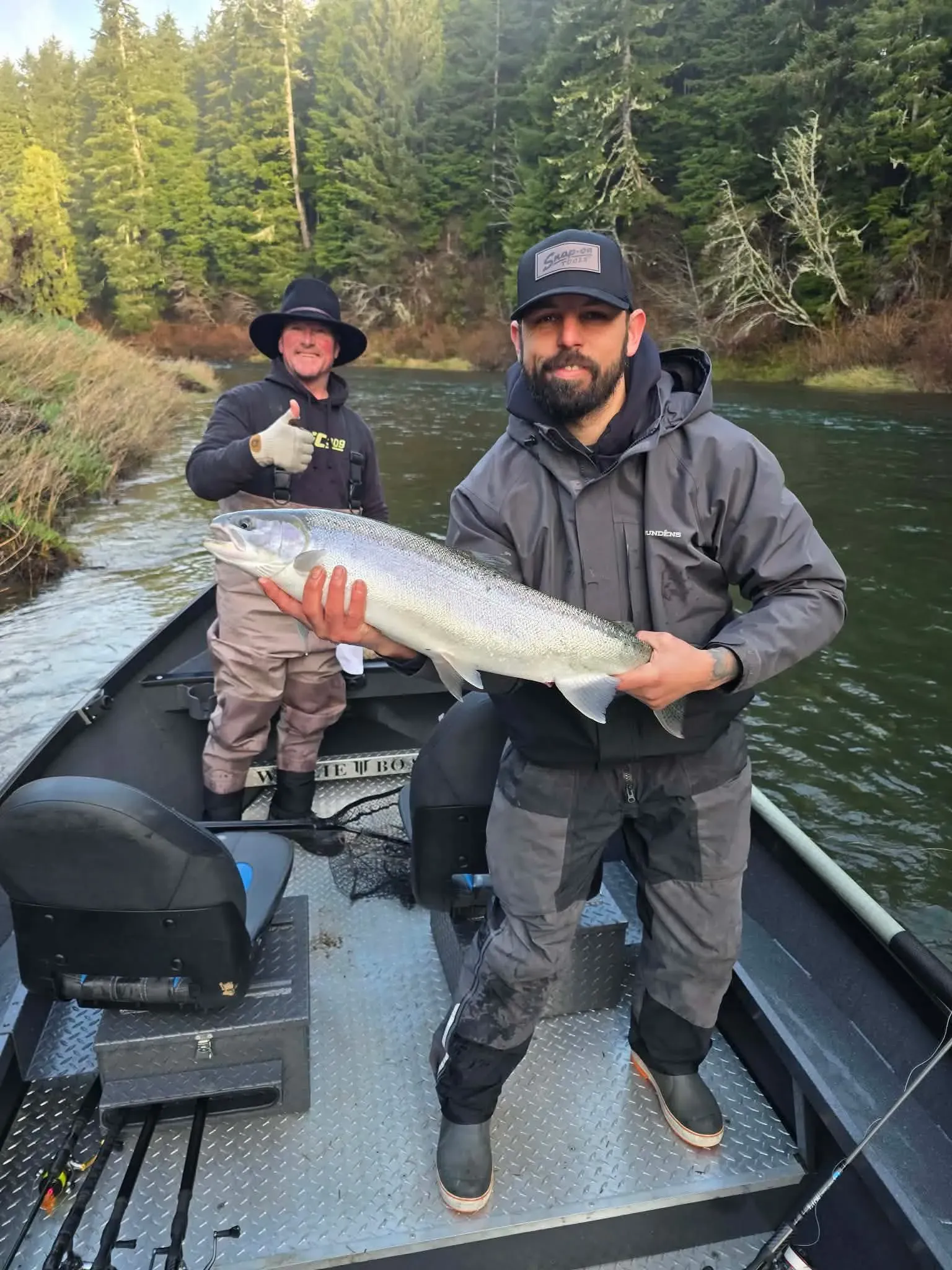
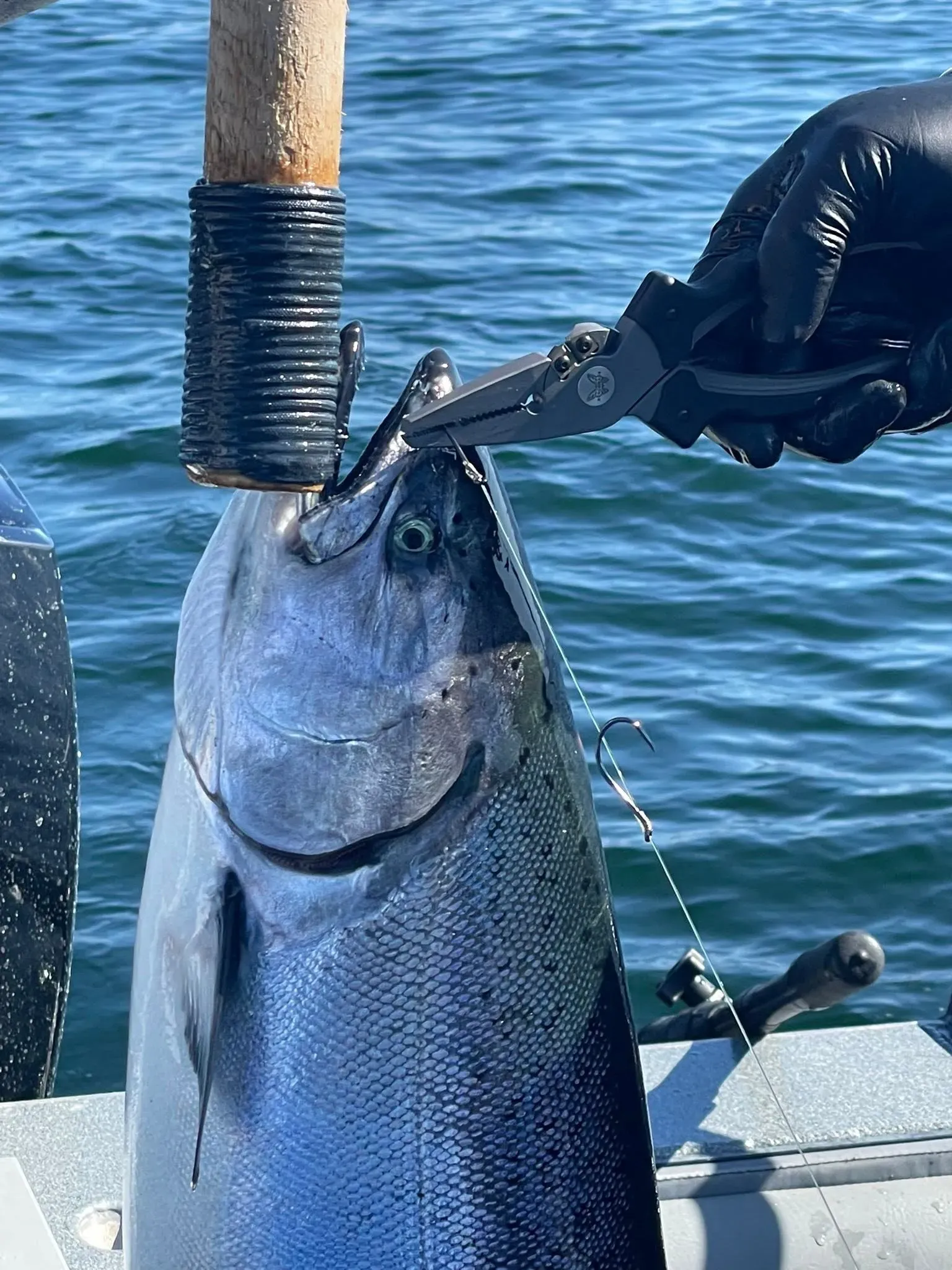
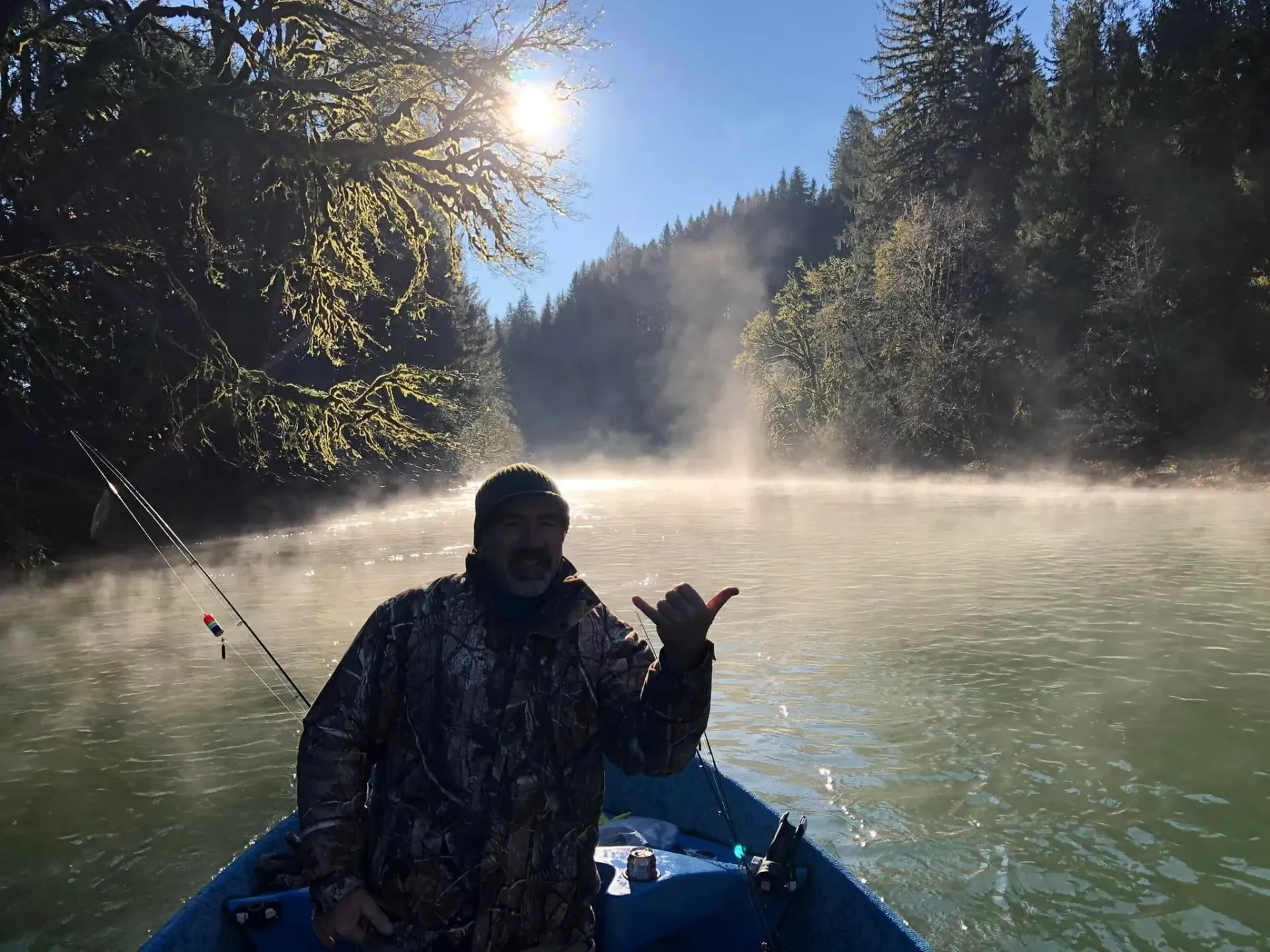
Winter steelhead fishing along the Oregon Coast offers anglers the chance to pursue powerful, ocean-run fish in rain-fed rivers surrounded by rugged coastal scenery. Winter Steelhead Fishing Oregon Coast attracts both seasoned anglers and newcomers looking for a challenging cold-weather fishing experience. Unlike summer steelhead, winter-run fish often enter freshwater in excellent condition, bringing strength and endurance to fast-moving currents. Lincoln City provides a convenient base for exploring nearby rivers, particularly the Siletz and Nestucca, which offer different fishing opportunities depending on rainfall, water levels, and seasonal timing. Success often comes down to understanding river conditions, choosing the right presentation, and knowing where steelhead are likely to hold. With thoughtful planning and local knowledge, anglers can make the most of Oregon's winter fishing season.
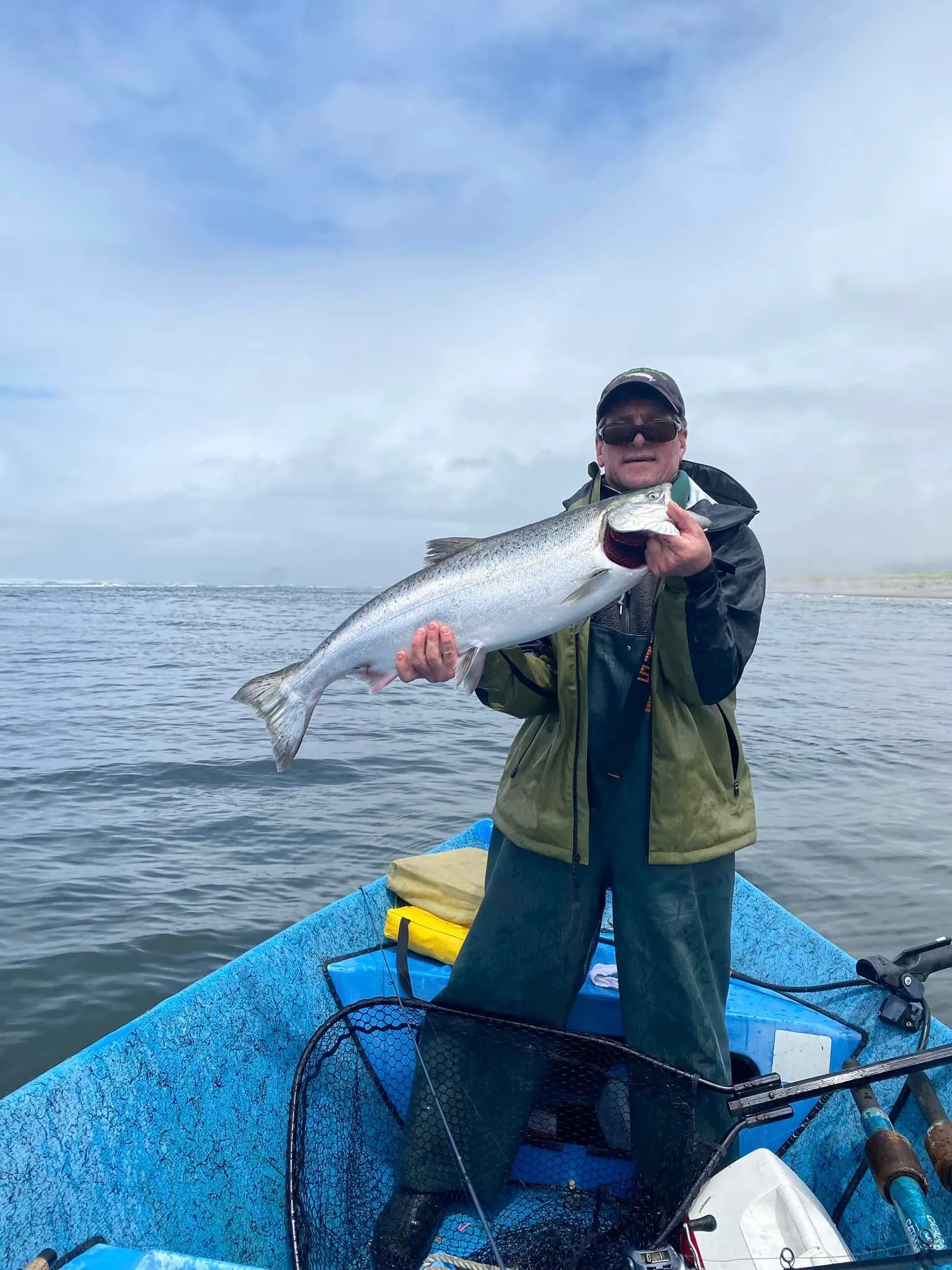
When Is the Best Time for Winter Steelhead Fishing in Oregon?
Winter Steelhead Fishing Oregon generally runs from late fall through early spring. The best time to fish depends on seasonal patterns, rainfall, river levels, and water clarity. Understanding these factors helps anglers choose suitable fishing days and prepare for changing conditions.
1. Know the Best Months to Fish
Winter steelhead fishing offers different opportunities throughout the season. Knowing when fish typically enter coastal rivers can help you plan your trip and choose the right time to visit.
- December to January: Anglers may find opportunities to catch hatchery steelhead in several coastal rivers.
- February to March: Wild steelhead may become more common in some rivers, depending on the annual run.
- April: Fishing opportunities may continue, depending on river conditions, fish movement, and local regulations.
These are general seasonal patterns, not guarantees. Check recent fishing reports before choosing your dates.
2. Watch River Levels After Rain
Rainfall can quickly change conditions for Oregon Coast steelhead fishing. Understanding how water levels and clarity change after a storm helps anglers identify more suitable fishing conditions.
- High, muddy water: Heavy rainfall can raise river levels and reduce visibility, making fishing more difficult.
- Falling water levels: As the river settles after a storm, conditions may become easier to fish.
- Clearer water: Steelhead can be easier to target when the water is less muddy and bait or lures can be presented effectively.
This improving period is often called the “drop and clear” phase. Check USGS river gauges and local fishing reports to track changing conditions.
3. Check Fishing Rules Before You Go
Before heading out, anglers should understand Oregon's fishing regulations. These rules explain which steelhead can be kept, which must be released, and what restrictions apply to each river.
- Wild steelhead: Retention is restricted in many coastal waters, and specific rules determine whether fish must be released.
- Hatchery steelhead: These fish may be kept where regulations allow.
- Daily bag limits: The number of fish anglers can keep depends on current regulations and location.
Always review the latest Oregon Department of Fish and Wildlife (ODFW) regulations before fishing to ensure you follow the rules.
Best Rivers for Winter Steelhead Fishing on the Oregon Coast
Choosing the right river is an important part of planning a winter fishing trip. Rainfall, water levels, and river access can affect where anglers fish each day. The Siletz and Nestucca Rivers are two key locations to consider when planning Winter Steelhead Fishing Oregon Coast, especially for anglers staying near Lincoln City.
Siletz River: A Key Steelhead Destination Near Lincoln City
The Siletz River is a popular destination for Siletz River Steelhead Fishing, offering different river sections where steelhead may hold as they travel upstream. Local conditions help determine which areas are worth exploring.
- River features: The lower river includes tidal sections, while areas farther upstream feature gravel bars, deeper pools, and rocky stretches.
- Where to look: Focus on inside bends, where the current may slow, and tailouts, where deeper water gradually becomes shallower before a faster section.
- Fishing approach: Adjust your bait or lure presentation to the water depth and current speed. Steelhead may hold in calmer areas beside faster-moving water.
- Water conditions: Check river levels before heading out, as heavy rainfall can change fishing conditions quickly.
Nestucca River: Another Option for Winter Steelhead
The Nestucca River offers another option for Oregon Coast Steelhead Fishing, particularly when anglers want to compare conditions across nearby rivers. Its suitability for fishing depends on recent rainfall, river levels, and access conditions.
- River features: The Nestucca includes flowing runs, rocky sections, deeper pools, and stretches that can be explored by boat or from suitable bank-access areas.
- Access points: Areas around Three Rivers and other established access locations may provide opportunities to reach different sections of the river. Check current access conditions before your trip.
- Choosing the right conditions: After rainfall, compare river gauges and local reports to determine whether the Nestucca offers fishable water.
- Fishing flexibility: Avoid assuming that one river will always clear faster than another. Conditions can change with each storm.
Winter Steelhead Fishing Lincoln City: Choosing Your Starting Point
Lincoln City provides a convenient starting point for anglers exploring nearby coastal rivers. When planning Winter Steelhead Fishing Lincoln City, consider travel time, current river conditions, fishing access, and the type of experience you prefer.
- Compare river conditions: Check water levels and clarity on both the Siletz and Nestucca before deciding where to fish.
- Consider accessibility: Your choice may depend on whether you prefer fishing from the bank or exploring the river by boat.
- Plan around the weather: Rainfall can quickly affect road access, river conditions, and fishing safety.
- Ask a local guide: An experienced Oregon Coast Steelhead Guide can help you assess current conditions and choose a suitable location for the day.
Effective Techniques for Winter Steelhead Fishing
Choosing the right fishing technique can make a difference when targeting winter steelhead on Oregon's coastal rivers. Water depth, current speed, and visibility all affect how you present bait or lures. These techniques help anglers adjust their approach to changing river conditions.
- Bobber or Float Fishing with Jigs or Bait: Use a
 to
 -ounce jig in pink, white, or red-and-black combinations, or a soft bead around 12–14 mm in size. A float keeps the presentation moving naturally with the current, just above the river bottom.
- Drift Fishing: Use a three-way swivel or slider rig with pencil lead, a short leader, and a yarn ball or corky paired with cured salmon roe. Let the weight move along the bottom to cover deeper areas and current seams.
- Plugs (Back-Bouncing or Trolling): Diving plugs, such as a Brad's Wigglator or Luhr-Jensen Kwikfish in suitable sizes and colors, can work in deeper pools. From a boat, control the plug's movement through likely holding areas while adjusting to the current.
Adjusting to Water Clarity
Water clarity plays an important role in Winter Steelhead Fishing Oregon Coast. Rainfall can turn coastal rivers muddy or leave them clear enough for fish to see your bait easily. Adjusting your leader strength, bait size, and lure color to match these conditions can help you present your offering more effectively.
- Low or Clear Water: Try an 8-pound fluorocarbon leader and smaller 8–10 mm beads in natural shades, such as peach or muted roe colors. Subtle presentations may be less noticeable in clear water.
- High or Stained Water: Consider a 12-pound leader and larger, more visible presentations, such as pink or cerise yarn balls and bright jigs. Scented options may also be worth trying where permitted.
- Changing Conditions: Adjust your weight, bait size, and presentation as water levels rise or fall. Always check current fishing regulations before selecting bait, tackle, or fishing methods.
How to Prepare for a Winter Steelhead Fishing Trip
Preparing for Winter Steelhead Fishing Oregon Coast starts with packing the right gear and checking conditions before leaving. Winter weather can change quickly, so a little planning helps you stay comfortable, safe, and ready for a day on the river.
- Step 1: Dress for the Weather: Wear warm layers, waterproof clothing, and suitable footwear to stay comfortable in cold, wet conditions.
- Step 2: Pack Your Essentials: Bring polarized sunglasses, food, drinking water, and any personal fishing equipment you need.
- Step 3: Check Licenses and Regulations: Carry the required Oregon fishing license and applicable tags. Review current rules before fishing.
- Step 4: Check River and Weather Conditions: Review river levels, access points, weather forecasts, and local fishing reports before departure.
- Step 5: Consider a Guided Trip: A local guide can help with equipment preparation, river selection, and choosing techniques suited to the day's conditions.
How Pete's Fishing & Guiding Adventures Can Help You Plan Your Winter Trip
Planning a winter fishing trip is easier with local knowledge and guidance. Pete's Fishing & Guiding Adventures offers anglers an opportunity to explore the Siletz and Nestucca Rivers with Captain Peter Doerflinger, who can help them understand local fishing conditions and choose suitable approaches for the day.
As an experienced Oregon Coast Steelhead Guide, Captain Peter can adjust river selection and fishing techniques based on water levels, clarity, and seasonal conditions. The company offers private, full-day guided fishing trips lasting approximately eight hours, with fishing equipment provided to help simplify trip preparation.
Whether you are new to steelhead fishing or have years of experience, guided instruction can help you improve your presentation, understand river features, and make informed decisions on the water. Before booking, discuss your preferred dates, experience level, and fishing goals to plan a trip that suits your needs.
Conclusion
Successful Winter Steelhead Fishing Oregon Coast trips depend on choosing the right season, watching river conditions, and using techniques suited to the water. The Siletz and Nestucca Rivers offer excellent locations to explore, with opportunities that change throughout the winter months. Local knowledge can help you plan your time on the water more effectively. Contact Pete's Fishing & Guiding Adventures to discuss your preferred dates, explore guided fishing options, and plan your next winter steelhead fishing trip with Captain Peter Doerflinger.
Frequently Asked Questions
1. What Is the Best Month for Winter Steelhead Fishing on the Oregon Coast?
December through March can offer good opportunities for winter steelhead fishing, depending on the river, rainfall, water levels, and annual fish runs. Check local fishing reports before planning your trip.
2. Which Rivers Are Best for Winter Steelhead Fishing Near Lincoln City?
The Siletz and Nestucca Rivers are popular options near Lincoln City. Compare current water levels, clarity, and access conditions to decide which river may suit your fishing plans.
3. Is the Siletz River Good for Winter Steelhead Fishing?
Yes, the Siletz River is a well-known destination for steelhead anglers. Fishing opportunities depend on seasonal timing, river flows, water clarity, and where steelhead are holding.
4. What Is the Difference Between Winter and Summer Steelhead?
Winter steelhead generally enter freshwater during the colder months, while summer steelhead arrive earlier and may spend longer in rivers before spawning. Their timing and fishing conditions differ.
5. What Techniques Work Best for Winter Steelhead Fishing in Oregon?
Float fishing, drift fishing, and fishing with plugs are common techniques. The right approach depends on water depth, current speed, visibility, and the regulations for your chosen river.
6. What River Conditions Are Best for Catching Winter Steelhead?
Moderate flows and improving water clarity can create favorable fishing conditions. Rivers that are extremely high or muddy after heavy rainfall may be harder to fish safely and effectively.
7. Can Beginners Go Winter Steelhead Fishing on the Oregon Coast?
Yes, beginners can enjoy winter steelhead fishing with suitable equipment, basic instruction, and proper preparation. A local fishing guide can help newcomers learn techniques and understand river conditions.
8. Do I Need a Fishing License for Winter Steelhead Fishing in Oregon?
Anglers generally need the applicable Oregon fishing license and required tags. Check the latest Oregon Department of Fish and Wildlife (ODFW) regulations for licensing requirements, seasons, and retention limits.
9. What Should I Bring on a Winter Steelhead Fishing Trip?
Pack warm layers, waterproof clothing, suitable footwear, polarized sunglasses, food, drinking water, and your required fishing license and tags. Check the weather forecast before leaving.
10. Can I Book a Guided Winter Steelhead Fishing Trip Near Lincoln City?
Yes, Pete's Fishing & Guiding Adventures offers guided fishing trips on nearby coastal rivers. Contact the company to discuss available dates, trip details, equipment, and your winter steelhead fishing goals.