Chinook Salmon Fishing on the Siletz River: Best Time, Techniques & Tips

Published: November 17, 2026
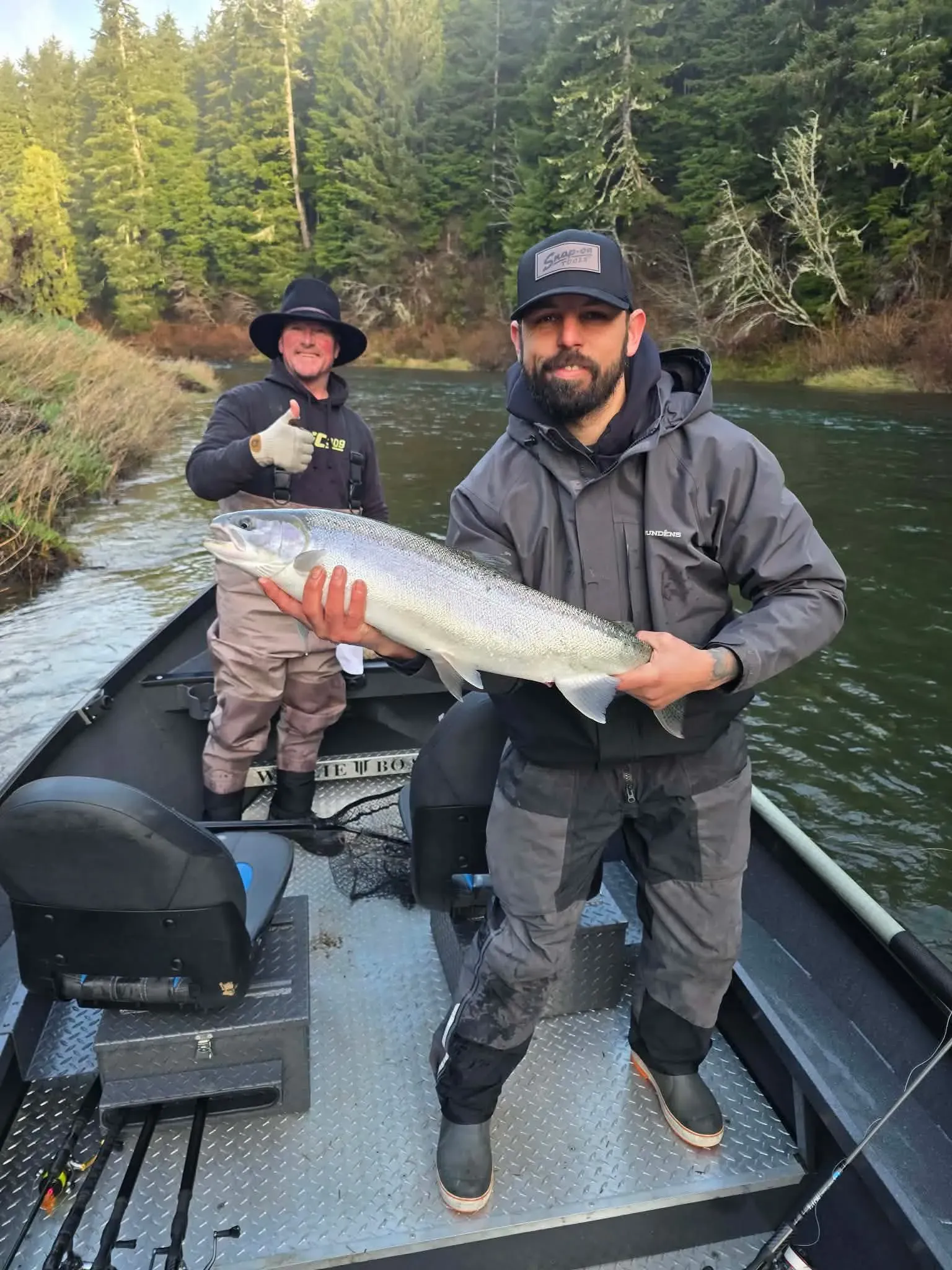
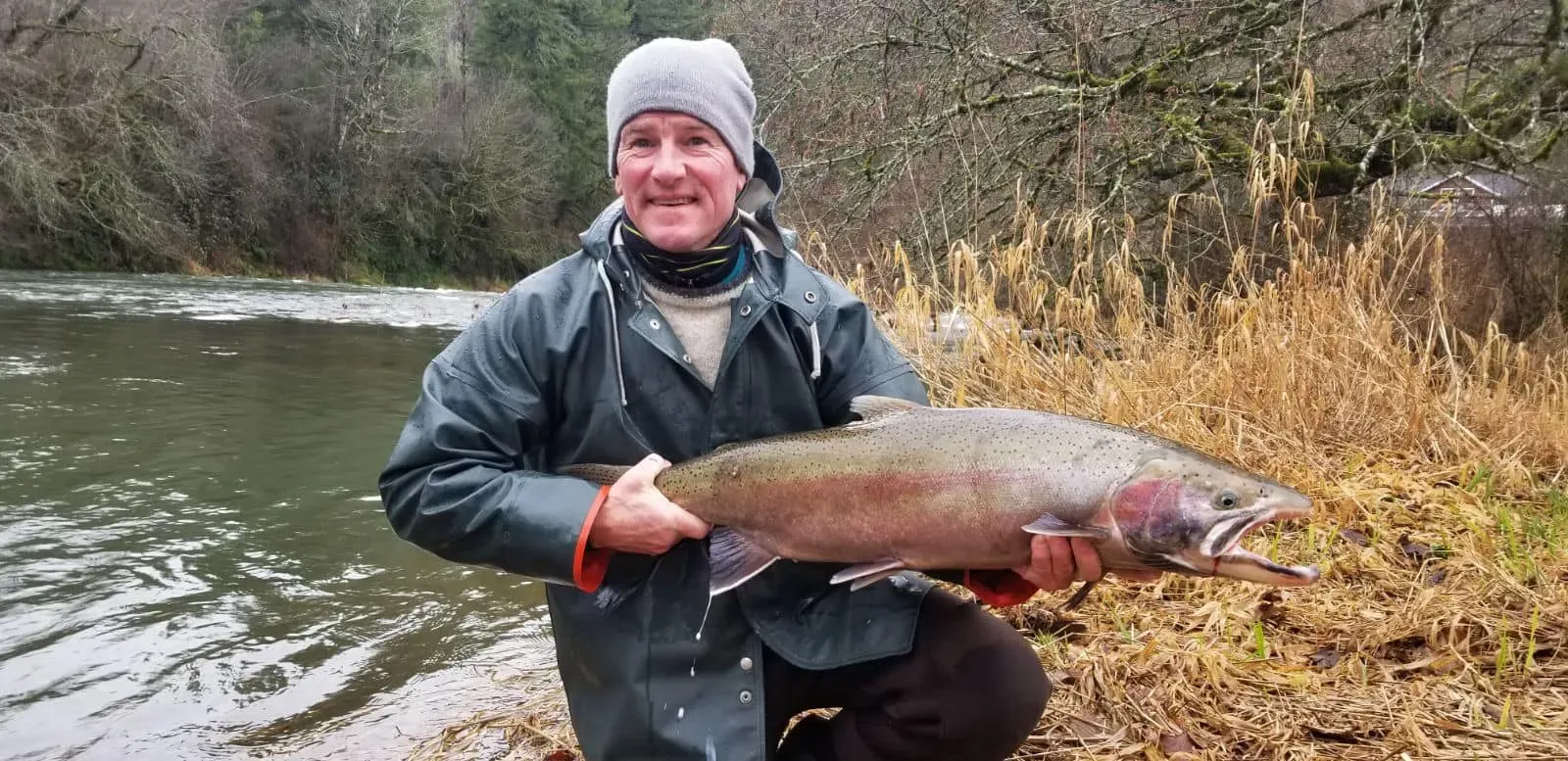
Imagine holding a fishing rod when suddenly the line rips away so fast it feels like you just hooked a runaway submarine! That is the heart-pounding thrill of catching a giant Chinook Salmon, also known as the "King Salmon." These fish are famous for their massive size, incredible strength, and stubborn fights.
If you want to experience this excitement firsthand, one of the absolute best places to go is the Siletz River. Located right next to the beautiful coastal town of Lincoln City, Oregon, this winding river is a paradise for salmon looking to swim upstream.
However, catching these ocean giants takes more than just throwing a hook into the water. Successful Chinook Salmon Fishing Siletz River requires understanding exactly when the fish arrive, where they like to hide, and which techniques make them bite. Whether you are planning a DIY bank fishing trip or booking an experienced Siletz River Fishing Guide, this simple guide will give you the ultimate tips, secret spots, and proven methods to land the catch of a lifetime.
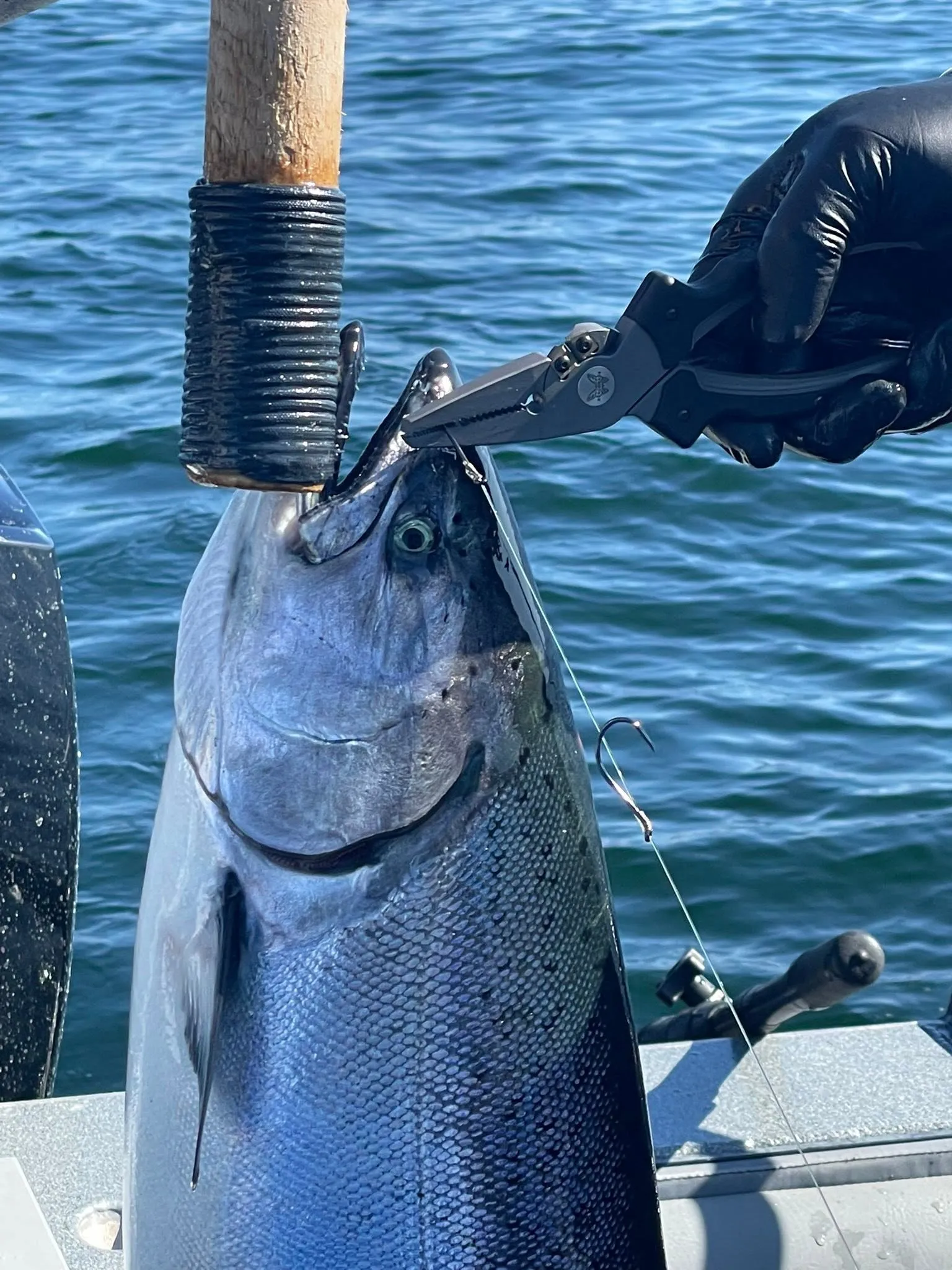
When to Go: The Best Times for Siletz River Salmon Fishing
The Siletz River offers Chinook fishing opportunities across different seasons, but summer and fall bring noticeably different conditions. Understanding water clarity, river levels, rainfall, and salmon movement helps anglers choose the right approach.
The Summer Run (The Early Birds)
The summer run arrives before the main fall movement, offering anglers a different fishing experience. Lower, clearer water can make Chinook more cautious, so careful positioning and presentation become especially important.
- Months: July through August.
- What happens: These salmon enter the river early when the water is low and clear. They hold in deep, cool pools.
- Vibe: Bright, sunny days requiring stealthy techniques.
- Where to focus: Look for deeper, cooler holding water rather than shallow, exposed areas.
- Fishing approach: Use controlled presentations and avoid unnecessary disturbance in clear water.
- Key consideration: Low and clear conditions can make Chinook more cautious, so positioning and presentation matter.
The Fall Run (The Main Event)
The fall run brings a major shift in river conditions as rainfall and cooler weather begin influencing the Siletz. These changes can encourage Chinook to move and create new opportunities for anglers.
- Months: September through November (Peak is usually October).
- What happens: This is the major Fall Chinook Fishing Oregon season, with large numbers of Chinook entering the river from the Pacific Ocean.
- The Rain Trigger: Fall rain can raise the river and bring cooler, fresher water into the system. These changes can encourage Chinook to move upstream.
- What changes: Rising water can open new areas and change where salmon hold.
- Fishing approach: Pay close attention to rainfall, river level, water clarity, and fish movement.
- Key consideration: October should receive particular attention because it falls within the core fall Chinook period.
Planning Tip: Use the seasonal calendar as a starting point, but always check recent rainfall, river levels, water clarity, and current conditions before deciding where and how to fish.
Where to Fish: Chinook Salmon Fishing Lincoln City Oregon
The Siletz River offers different types of Chinook holding water from its lower tidewater areas to sections farther upstream. Knowing how salmon use each zone can help anglers choose where to focus based on the season and river conditions.
The Tidewater Zone (The River Mouth)
The lower river and tidewater area can be an important starting point for Chinook moving in from the Pacific. Tidal movement also adds another factor, making timing and water movement important when fishing this section.
- Where it is: The lower river and tidewater area near the ocean and Lincoln City.
- Why it's important: Chinook entering from the Pacific first encounter this section before moving farther upstream.
- Fish behavior: Fresh Chinook can be active and powerful as they transition from saltwater into the river.
- How to fish it: Boat anglers can work deeper water and adjust their presentation around tidal movement.
- Tide factor: Pay attention to incoming and outgoing tides because tidal movement can affect water movement and fish positioning.
The Upper River (Moving Upstream)
As Chinook continue moving upstream, they begin using different types of river structure. Deeper water, current breaks, and slower sections can provide resting areas along their migration route.
- Where it is: Farther upstream beyond the lower river and tidewater areas.
- Why it's productive: As Chinook move upstream, they begin using deeper pools, current breaks, river bends, and other areas where they can rest.
- What to look for: Deep slots, slower current beside faster water, deeper bends, and suitable holding areas.
- How to fish it: Both boat and bank anglers can target holding water, but the approach needs to match depth, current, and river level.
Local Pro-Tip: Read tides alongside recent rainfall, river height, and water clarity. A productive Chinook holding area can change after the river rises or falls, so adjust accordingly.
Best Techniques for Siletz River Chinook Salmon Fishing
Successful Chinook fishing on the Siletz River depends on keeping the bait or lure in the right place for current conditions. These techniques give anglers several ways to adjust depth, movement, and presentation.
Technique 1: Bobber Down (Bobber Fishing With Bait)
Bobber fishing gives anglers direct control over bait depth while making bites easy to see. It works especially well when Chinook are holding in defined areas and responding to natural bait.
- How it works: A float suspends bait at a controlled depth above the river bottom.
- Bait: Cured salmon roe and sand shrimp can be used as bait options.
- Why it works: It allows anglers to keep bait in the strike zone while watching the float for movement.
- What to watch: A sudden dip, pull, or disappearance of the float can indicate a bite.
- Key Tip: Adjust the depth as river depth and fish location change rather than keeping the same setting all day.
Technique 2: Trolling With Flashers (The Tidewater Special)
Trolling gives anglers a way to cover more water in tidewater while presenting bait or lures at controlled depths. Current, water depth, and trolling speed all affect the presentation.
- How it works: A boat presents bait or a salmon lure behind a flasher while moving through suitable tidewater areas.
- Typical Setup: Weight, flasher, and bait or lure.
- Bait and Lure Options: Herring or suitable salmon plugs where permitted and appropriate.
- Why it works: The flasher adds movement and visibility while trolling allows anglers to cover deeper water.
- Key Tip: Match trolling depth and speed to the current, water depth, and location of the fish.
Technique 3: Hover Fishing and Back-Bouncing
These techniques focus on keeping bait close to the bottom while working specific holding lanes. Small changes in depth and current speed can affect how naturally the bait moves.
- How it works: Keep bait close to the bottom while controlling the presentation from a drifting or positioned boat.
- Why it works: Chinook traveling upstream often use specific lanes within deeper river sections.
- What to Focus On: Maintain enough bottom contact to keep the bait in the productive zone without constantly snagging.
- Key Tip: Pay attention to subtle changes in bottom depth and current speed.
Technique 4: Adjusting to River Conditions
No single technique works the same way throughout the day. River level, water clarity, current strength, and fish location should determine how anglers change their presentation.
- Clear Water: Use more controlled presentations and avoid excessive movement.
- Rising Water: Look for areas where fish can move or rest as the river changes.
- Stained Water: Consider presentation visibility and scent.
- Strong Current: Adjust weight and depth so the bait or lure stays where Chinook are holding.
- Changing Conditions: If fish are not responding, change depth, location, presentation, or technique rather than repeating the same approach.
Choosing the Right Gear and Tackle
Chinook are powerful fish, so your tackle needs to handle strong runs, river current, and changing conditions. The right setup should match your fishing technique, water conditions, and target fish.
The Rod & Reel
A dependable rod and reel give anglers the control needed to manage a strong Chinook while maintaining a controlled presentation in moving water.
- Rod: Use a salmon-capable medium-heavy rod suited to the fishing technique.
- Length: A longer rod can provide useful line control for certain river presentations.
- Reel: Choose a durable casting or heavy spinning reel with a dependable drag.
- Why it matters: Chinook are powerful fish, and your equipment needs to manage both the fish and river current.
The Line
Line selection becomes especially important when fishing around current, rocks, and structure. Your mainline and leader should provide enough strength for the conditions without unnecessarily affecting the presentation.
- Mainline: Use strong braided or monofilament line appropriate for salmon fishing.
- Leader: Choose leader strength based on water clarity, structure, technique, and the size of fish you are targeting.
- Key Tip: Check knots, leaders, hooks, and terminal tackle before fishing to avoid preventable equipment failures.
Bait and Lures
Bait and lure selection should match the area, technique, and water conditions. Having several options available allows anglers to adjust when Chinook respond differently throughout the day.
- Bait: Cured salmon roe and sand shrimp.
- Tidewater options: Herring or appropriate salmon plugs where allowed.
- Other presentations: Jigs, spinners, or other salmon lures depending on conditions and regulations.
Essential Gear
Chinook fishing can involve changing weather and wet conditions, particularly during the fall. A few practical essentials can make a long day on the river more comfortable and efficient.
- Weather-appropriate clothing: Dress for changing temperatures and wet conditions.
- Waterproof outer layers: Keep rain and spray from becoming a problem during the trip.
- Polarized sunglasses: Reduce glare and make it easier to see the water.
- Fishing license and required tags: Carry all required Oregon fishing documents.
- Landing net: Use a suitable net for safely landing a large salmon.
- Extra terminal tackle: Bring replacement hooks, leaders, weights, and other small tackle items as needed.
Regulation Reminder: Always check current Oregon fishing regulations before the trip because salmon seasons, methods, zones, and gear rules can change.
Why Hire a Siletz River Fishing Guide?
A guided trip can reduce the learning curve by combining local river knowledge with practical fishing experience. Conditions on the Siletz can change with rainfall, tide movement, water level, and seasonal fish movement, so understanding how these factors affect navigation, fish location, and technique selection can help anglers spend more time fishing productive water.
The Learning Curve
The Siletz changes with rainfall, tide movement, water level, and seasonal fish movement, making local river knowledge valuable throughout the season. Understanding river structure and safe boat positioning also takes experience, particularly when conditions change. Knowing where Chinook are likely to hold can save anglers time, while recognizing how conditions affect fish behavior helps determine which fishing technique is most suitable for the day.
The Guide Advantage
A Siletz River Fishing Guide can adjust the day's approach based on current river conditions and changing fish behavior. Depending on the outfitter, a guided trip may include appropriate rods, reels, tackle, and other fishing equipment, reducing the need to bring specialized gear. Beginners can also receive practical instruction on reading the river, controlling their presentation, and responding effectively when a Chinook takes the bait.
Planning Your Siletz River Chinook Trip With Pete's Fishing and Guiding AdventuresPlanning Your Siletz River Chinook Trip With Pete's Fishing and Guiding Adventures
Local experience can make a difference when fishing a river where tide, rainfall, water level, clarity, and seasonal fish movement can all change the strategy. Pete's Fishing and Guiding Adventures brings experience on the Siletz River and with Chinook fishing, helping anglers understand how these changing conditions affect where fish hold and how they should be approached.
A condition-based approach starts with choosing a trip around the seasonal Chinook period, then adjusting to recent rainfall, river level, and water clarity. Location and technique can change with conditions, so the day may involve bait presentations, trolling, jigging, or other suitable methods. Tackle and equipment are selected to match Chinook and the fishing method being used.
Anglers can also expect practical guidance throughout the trip, particularly when they are unfamiliar with the Siletz River. Instruction can cover current, depth, fish movement, and river structure, while equipment and tackle are provided according to the company's current trip information. The focus remains on learning the river, adapting to conditions, and making informed fishing decisions rather than promising a guaranteed catch.
Conclusion
Successful Chinook fishing on the Siletz starts with understanding how conditions influence salmon movement and presentation. Summer Chinook can provide an earlier opportunity, while September through November brings the major fall Chinook period. Tidewater, deep pools, current breaks, and upper-river holding areas can all become important as fish move through the river.
Rainfall, river level, water clarity, and tides can affect where Chinook hold and which technique is most effective. Bobber fishing, trolling, hover fishing, and back-bouncing each offer different ways to present bait or lures. Strong tackle, appropriate bait, current regulations, and local river knowledge also help anglers prepare for changing conditions. To put that knowledge into practice, book a guided Siletz River Chinook fishing trip with Pete's Fishing and Guiding Adventures and spend the day learning how to read and fish the river.
Frequently Asked Questions
1. When is the best time for Chinook Salmon Fishing on the Siletz River?
September through November is the main fall Chinook period, with October typically receiving particular attention. Summer Chinook can also provide an earlier fishing opportunity.
2. Where can you find Chinook salmon on the Siletz River?
Chinook can use tidewater, deeper pools, current breaks, river bends, and other holding areas as they move upstream. Their location can change with river conditions.
3. Does rainfall affect Siletz River Chinook fishing?
Yes. Rainfall can change river level, water clarity, and current conditions, which can influence salmon movement and where anglers should focus their efforts.
4. What techniques work for Chinook Salmon Fishing Siletz River?
Common approaches include bobber fishing, trolling, hover fishing, and back-bouncing. The appropriate method depends on water depth, current, clarity, fish location, and the section of river being fished.
5. What bait is used for Siletz River Chinook Salmon Fishing?
Cured salmon roe and sand shrimp are commonly used bait options. Tidewater anglers may also use herring or appropriate salmon plugs where permitted.
6. What gear do I need for Chinook fishing on the Siletz River?
A salmon-capable rod and reel, strong mainline and leader, suitable terminal tackle, a landing net, polarized sunglasses, weather-appropriate clothing, and required fishing licenses and tags are important.
7. Are tides important for Chinook Salmon Fishing Lincoln City Oregon?
Tides can influence water movement and fish positioning, particularly in lower river and tidewater areas. Tides should be considered alongside rainfall, river level, and water clarity.
8. Can beginners fish for Chinook on the Siletz River?
Yes. A guided trip can help beginners learn how to read river structure, understand current and depth, control bait or lure presentation, and adjust their approach to changing conditions.
9. What should I check before fishing for Chinook on the Siletz River?
Check current Oregon fishing regulations, salmon seasons, permitted methods and zones, recent rainfall, river levels, water clarity, and tide information before your trip.
10. Can a Siletz River Fishing Guide provide fishing equipment?
Equipment provided depends on the outfitter and trip. Guided trips may include appropriate rods, reels, tackle, and other fishing equipment, so anglers should confirm what is included when booking.